The hidden burden of turning your pain into your life’s work.
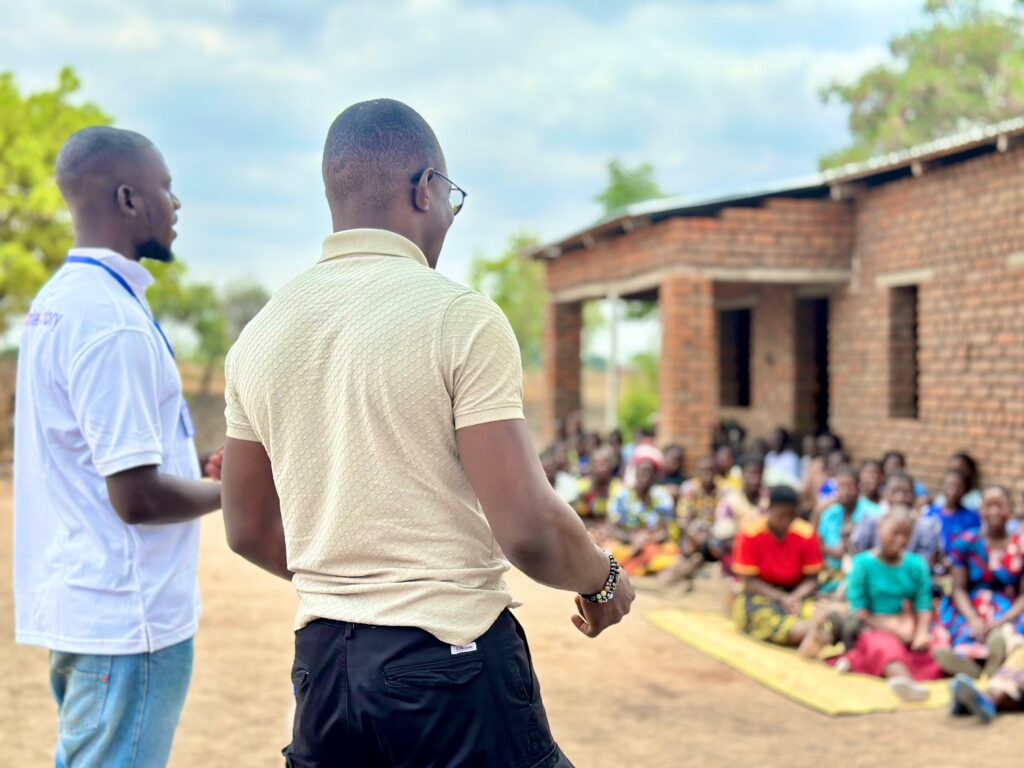
Every time I walk onto a stage, people already know one thing about me before I even speak.
“That’s the HIV guy.”
Sometimes they say it with admiration. Sometimes with curiosity. Sometimes with pity. Almost always, it becomes the first thing they know about me.
Rarely do they ask who I am beyond that.
I’ve come to accept that this is part of the life I chose. But I didn’t choose the story that started it.
For many years, HIV was simply a private reality I learned to live with. It shaped doctor’s appointments, medication schedules, difficult conversations, and moments of uncertainty. It was deeply personal. Then, somewhere along the journey, I made a decision that would change my life forever.
I chose to speak.
Not because I enjoyed public attention. Not because I wanted sympathy. I spoke because I knew there were people carrying the same fear, shame, and loneliness I once carried. If my story could help even one person believe their life wasn’t over, then it was worth telling.
I didn’t realize that when you make your deepest pain public, it slowly becomes the thing people associate you with most.
When Your Story Becomes Your Identity
There is something strange about becoming known for something you never wanted.
People introduce me as, “This is Mark. He was born with HIV.”
It’s never meant to diminish me. In many ways, it’s an acknowledgement of courage.
But over time, I began asking myself difficult questions.
Would people still invite me if I weren’t living with HIV?
Would they want to hear my thoughts on leadership?
Would anyone care about my ideas on entrepreneurship, community development, or faith if HIV wasn’t part of the introduction?
When people see you through one defining lens, everything else can quietly disappear into the background.
The irony is that advocacy is supposed to restore humanity. Sometimes, it unintentionally reduces a person to the very thing they are trying to rise above.
The Pressure to Always Be Strong
One of the hidden costs of advocacy is expectation.
People expect advocates to have endless hope.
They expect us to know exactly what to say.
To always be emotionally available.
To always have answers.
To always inspire.
But advocates are still human beings.
There are days when I have stood before audiences encouraging people to keep believing while privately carrying disappointments of my own.
There are days when I’ve answered messages from people in crisis while trying to make sense of my own questions.
There are seasons when I have poured into hundreds of people but had very little left for myself.
Advocates become experts at carrying hope for others.
Few people ask who carries hope for them.
The Weight of Being Needed
When people know your story, they naturally come to you.
They ask for advice about disclosure.
Relationships.
Medication.
Faith.
Rejection.
Family.
Fear.
Many of those conversations are sacred. I never take them lightly.
But compassion has a cost.
Every message represents someone’s real pain.
Every conversation asks you to enter another person’s burden.
Every story stays with you longer than most people realize.
The work doesn’t end when the conference is over or when the camera stops recording. It follows you home.
Sometimes the heaviest part of advocacy isn’t speaking.
It’s listening.
Living Inside One Conversation
HIV is one part of my life.
It is not my whole life.
I’m passionate about leadership because strong leaders build stronger communities.
I’m passionate about entrepreneurship because sustainable businesses create opportunities where charity alone cannot.
I’m passionate about clean water, community development, governance, and helping ordinary people solve extraordinary problems together.
I dream of building organizations that outlive me.
I dream of writing books that challenge how people think.
I dream of creating businesses that solve real problems across Africa.
Yet I sometimes wonder whether people can imagine me speaking about anything other than HIV.
Not because HIV is too small a subject.
But because my life has become much bigger than one diagnosis.
The Hidden Cost in Relationships
Public advocacy changes the way people see you before they ever meet you.
Some admire your openness.
Others quietly assume they already know your entire story.
Some see resilience.
Others see risk.
Whether it’s friendships, professional relationships, or dating, people often meet “the HIV advocate” before they meet the person.
That can be lonely.
Not because I’m ashamed of my story.
But because every human being hopes to be known completely—not just by the hardest chapter they have lived through.
The Guilt of Wanting Something Different
There are days when I don’t want to talk about HIV.
There are days when I simply want to travel.
Read.
Write.
Build a company.
Create content about leadership.
Discuss ideas.
Laugh with friends.
Watch football.
Dream about the future.
Then guilt quietly appears.
Shouldn’t I be using every opportunity to advocate?
Am I abandoning people if I spend time building something else?
Over time, I’ve learned that this is a false choice.
The people I serve don’t need a version of me that burns out trying to be everything.
They need a healthy leader who is allowed to grow.
More Than a Diagnosis
Living with HIV has shaped my life.
It has taught me resilience.
It has introduced me to extraordinary people.
It has given me opportunities to stand before audiences I never imagined.
But it has never been the truest thing about me.
My identity was never created by a virus.
It was created by God.
HIV became one of the places where I discovered my calling to serve others.
That distinction matters.
Because when your identity comes from your circumstances, your worth rises and falls with them.
When your identity comes from something deeper, your circumstances become tools rather than prisons.
What I Hope People Remember
I hope people continue talking about HIV.
We still need honest conversations.
We still need advocacy.
We still need education.
But I also hope people learn to see the whole person standing behind the story.
Not just the diagnosis.
The dreams.
The leadership.
The questions.
The failures.
The businesses being built.
The communities being served.
The books yet to be written.
The life still unfolding.
One day, I hope someone introduces me differently.
“This is Mark.”
“He’s a leader.”
“He’s building things that matter.”
“And yes, he was born with HIV.”
Not because I want people to forget my story.
But because I want them to remember that no diagnosis should ever become the biggest or the smallest thing about a person’s life.
It should simply become one chapter in a much larger story of purpose, growth, and hope.
If my life proves anything, I hope it proves this:
We are always more than the thing that happened to us.

Leave a Reply