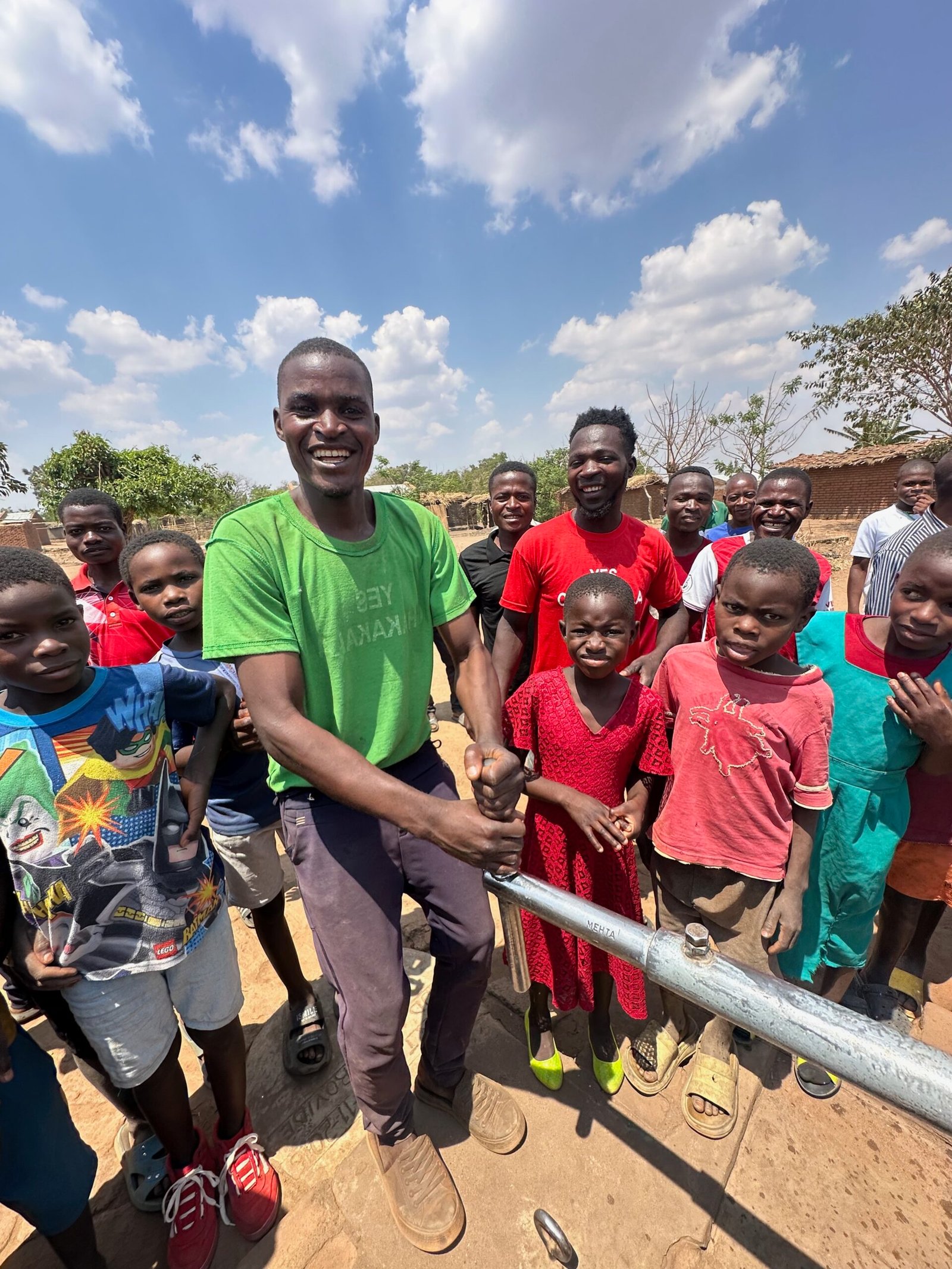
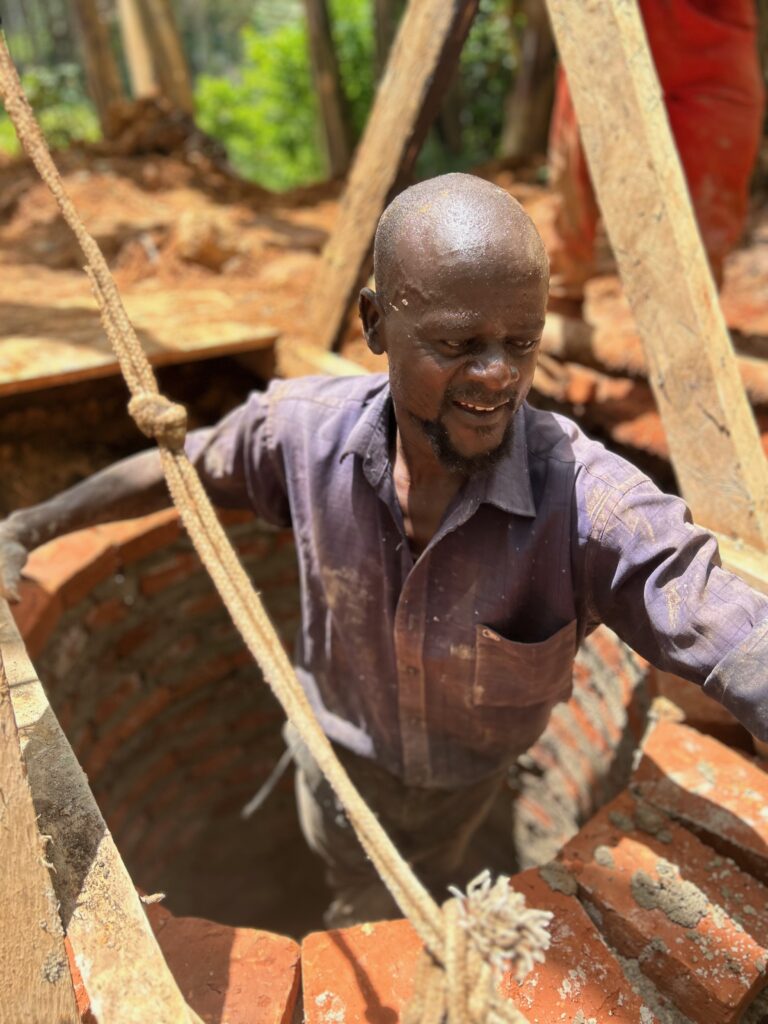
On the sixth day of our borehole project in Mukubo Village, western Uganda, I stood quietly watching men work under the afternoon sun.
The drilling equipment was covered in dust. Workers moved with the kind of determination that comes from knowing their work matters. Around us, life in the village continued as normal. Children played nearby. Women carried jerrycans. Farmers walked past on narrow paths that cut through the community.
At first glance, it looked like another construction project.
But it wasn’t.
What was happening in Mukubo was about far more than drilling a hole in the ground.
It was about health.
It was about dignity.
It was about survival.
And for many people living in this community, it was about hope.
The Reality Behind the Statistics
Across the world, conversations about development often focus on large numbers.
Thousands served.
Millions invested.
National targets achieved.
But development is never really about numbers.
Development is about people.
It is about the grandmother who no longer has to walk long distances to collect water.
It is about the child who can spend more time in school and less time carrying a jerrycan.
It is about the person living with HIV who can take medication with clean water instead of worrying about where the next bucket will come from.
In Mukubo, these realities are not theoretical.
They are part of everyday life.
For years, access to clean and reliable water has been a challenge for many residents of this community. Families often travel significant distances to collect water. During dry periods, the challenge becomes even more difficult.
For people living with HIV, the consequences are even greater. Living With HIV in Uganda Today: Treatment & Stigma
When discussions about HIV take place, most people immediately think about medicine. They think about treatment, testing, and healthcare facilities.
Those things are critically important.
But there is another side of the conversation that receives far less attention.
Basic needs.
Clean water.
Proper sanitation.
Nutrition.
Stable living conditions.
Without these essentials, healthcare becomes much harder.
Medication works best when people have access to clean water. Hygiene becomes easier. Opportunistic infections become less common. Daily life becomes more manageable.
The truth is simple:
Health does not begin in hospitals.
Health begins in communities.
And communities need the basics.
Why This Project Matters
Over the years, I have spent a great deal of time telling stories about HIV.
I have listened to survivors.
I have interviewed people who have faced stigma.
I have documented resilience, courage, and recovery.
Again and again, I have learned the same lesson:
The challenges surrounding HIV are rarely just medical.
They are social.
Economic.
Structural.
Many people living with HIV are not only fighting a virus.
They are also fighting poverty, isolation, food insecurity, and limited access to essential services.
That is why projects like this borehole matter.
They address one of the foundations upon which everything else depends.
Water.
Without clean water, health outcomes suffer.
Without clean water, families spend valuable time searching for resources instead of building their futures.
Without clean water, dignity becomes harder to maintain.
When people gain access to safe water, they gain more than convenience.
They gain opportunity.
The Journey to Mukubo
The journey to Mukubo reminded me of how much of Uganda’s story exists beyond major towns and cities.
From the bus park to the long roads leading west, the landscape gradually changed.
The noise of urban life faded.
The roads narrowed.
The pace slowed.
And eventually we arrived in a community where needs are real, visible, and immediate.
There is something powerful about being physically present in places where change is needed.
Statistics become faces.
Reports become conversations.
Problems become personal.
As our team settled into the work ahead, it became clear that this project carried great expectations.
People were watching.
Not because they wanted another promise.
But because they wanted results.
Communities have heard promises before.
What they need is action.
Day Six: The Weight of Responsibility
By the sixth day, the excitement of starting had faded.
The reality of execution had taken over.
This is often the stage of every meaningful project that nobody talks about.
The middle.
The difficult part.
The stage where success is not yet visible.
The stage where the outcome remains uncertain.
As I watched workers continue their tasks, I thought about the responsibility we carried.
A successful project would affect thousands of lives.
Failure would disappoint an entire community.
Leadership often looks glamorous from a distance.
In reality, it frequently involves uncertainty.
You make decisions without knowing exactly how events will unfold.
You carry expectations.
You solve problems as they emerge.
And sometimes, you simply keep moving forward because people are depending on you.
That day reminded me that impact work is rarely about recognition.
It is about responsibility.
More Than Infrastructure
One of the biggest mistakes we make in development is treating infrastructure as merely physical.
A borehole is not just concrete and metal.
A school is not just a building.
A health centre is not just a structure.
These things matter because of what they make possible.
This borehole will eventually provide access to clean water for approximately 5,000 people.
That number is significant.
But behind that number are individual stories.
A mother preparing meals for her children.
A student studying for examinations.
An elderly person managing a chronic health condition.
A family trying to improve their future.
Every litre of clean water contributes to those stories.
Every bucket collected closer to home creates time for something else.
Every step saved from a long walk becomes energy that can be invested elsewhere.
Development is not simply about constructing things.
It is about expanding possibilities.
What Mukubo Taught Me
As this project unfolded, I found myself reflecting on a broader question.
Why do we often overlook basic needs?
In a world fascinated by innovation, technology, and complex solutions, we sometimes forget the extraordinary power of simple interventions.
Clean water.
Food security.
Healthcare.
Education.
These remain among the most transformative investments any society can make.
We cannot talk about human dignity while ignoring the essentials required to sustain it.
We cannot discuss development while communities struggle to access basic services.
We cannot celebrate progress while fundamental needs remain unmet.
Mukubo reminded me that meaningful change does not always arrive through grand gestures.
Sometimes it arrives through a borehole.
Sometimes it arrives through clean water flowing where there was once uncertainty.
Sometimes it arrives through ordinary people choosing to solve practical problems.
Looking Ahead
The story of Mukubo does not end when the drilling stops.
In many ways, that is when the real story begins.
The true measure of success will not be the completion of construction.
It will be the impact that follows.
It will be measured in healthier families.
In reduced hardship.
In improved quality of life.
In opportunities created.
This project is one step in a much larger journey.
Across Uganda, there are communities facing similar challenges.
Communities waiting for access to clean water.
Communities seeking better health outcomes.
Communities deserving of dignity.
Mukubo is a reminder that these challenges are solvable.
Not easily.
Not instantly.
But solvable.
A Final Reflection
As I stood at the project site on day six, surrounded by workers, community members, and the promise of what was still to come, one thought stayed with me.
Sometimes the most powerful form of development is not giving people something new.
It is removing a barrier that should never have existed in the first place.
Access to clean water should not be a privilege.
It should be normal.
For the people of Mukubo, this borehole represents more than water.
It represents health.
It represents dignity.
It represents possibility.
And that is why this project matters.
Because at its core, this was never just about drilling a borehole.
It was about restoring hope, one drop at a time.

Leave a Reply