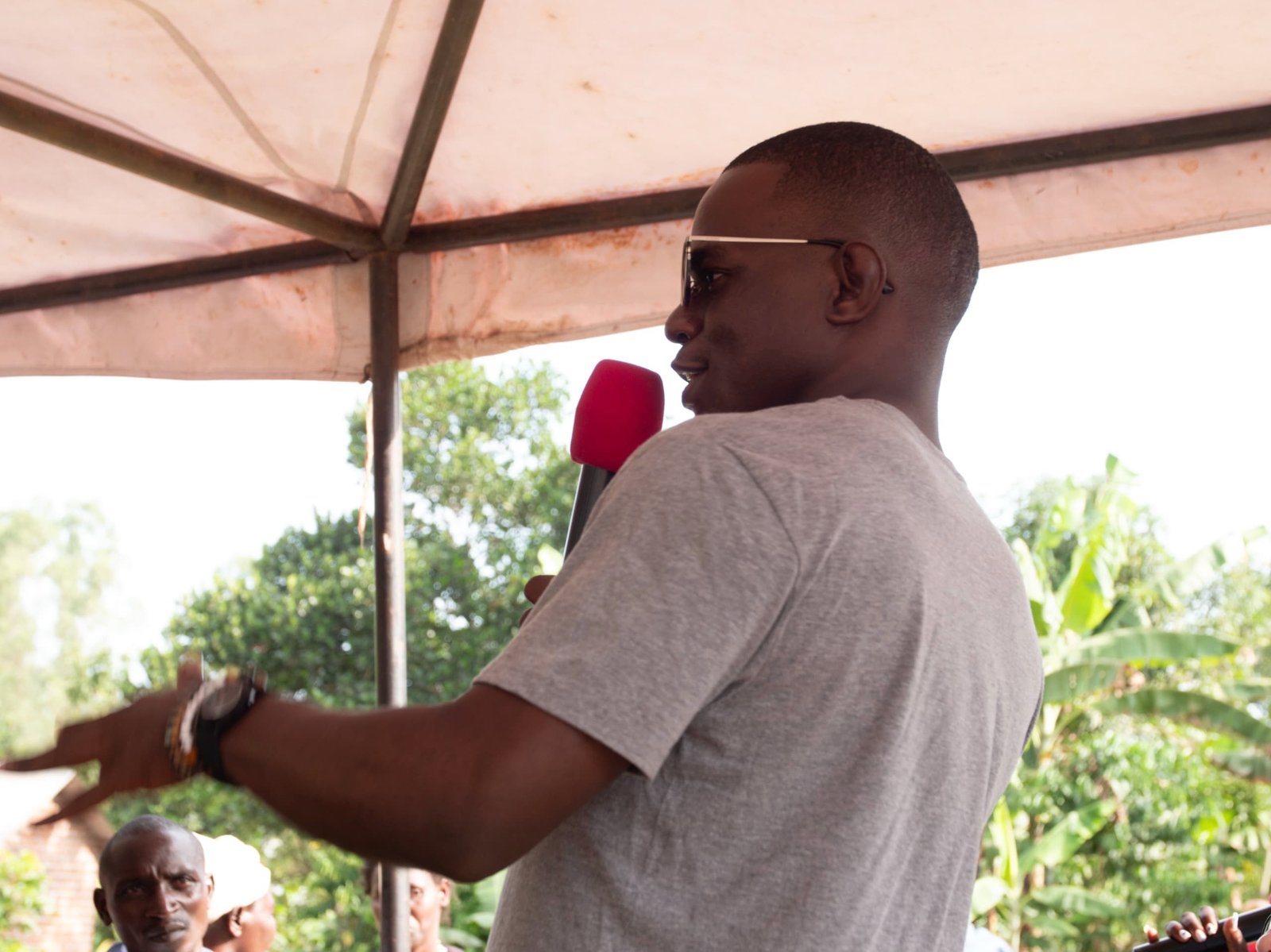
I was born with HIV. Today, I lead an organization, serve communities, pursue my education and build plans for my future. Treatment has helped make that life possible.
When Uganda celebrates progress in HIV treatment, I understand what those achievements mean beyond a report. They mean people getting the opportunity to raise children, earn a living, fall in love and grow older. They mean families having more years together.
These achievements deserve recognition. But they also bring us to a difficult question: Who is still missing from Uganda’s HIV response?
Who is living with HIV without knowing it? Who wants to test but fears what a positive result would mean for their relationship, employment or place in the community? Who needs prevention services but cannot access them privately, affordably or without judgment?
Uganda’s next breakthroughs depend on how honestly we answer those questions.
The preliminary results of the 2025 Uganda Population-based HIV Impact Assessment, released on 1 October 2026, show strong treatment outcomes. Among adults living with HIV who knew their status, 99.1% were receiving antiretroviral treatment. Among those on treatment, 96.5% were virally suppressed.
But only 85.3% of adults living with HIV knew their status. Roughly one in seven did not. That is a significant gap at the entrance to a system that is delivering impressive results for those it reaches.
Behind that gap are people who deserve an opportunity to benefit from the same care that has helped people like me build a future.
What unchanged prevalence actually tells us
The survey also found that HIV prevalence among adults aged 15 and above stood at 5.9%, remaining largely unchanged from 2020. It would be tempting to treat that figure as proof that prevention has failed. We should resist that conclusion.
Prevalence measures the proportion of people living with HIV at a particular time. It does not measure how many people recently acquired it. When treatment helps people live longer, they remain part of the population living with HIV. Stable prevalence can therefore coexist with falling new infections.
My continued presence in that statistic is something to celebrate. I do not want Uganda’s prevalence to fall because people like me are dying.
To judge prevention properly, we must examine new infections alongside testing, treatment and access to prevention services. The Ministry of Health says findings on HIV incidence will be released through the final survey report and other publications. We should wait for that evidence before making claims about the latest trend in new infections.
The diagnosis gap, however, already gives us a clear reason to act.
Have we made it safe to know your status?
We regularly tell people to test for HIV. We should be equally willing to examine what happens when they do.
A person considering a test may be weighing much more than a medical result. They may be wondering whether their partner will leave, whether someone at the clinic will disclose their information, or whether their family will begin treating them differently.
Telling that person to “be responsible” does little to address those fears.
Personal responsibility matters. So does the responsibility of institutions and communities to create conditions in which people can seek help.
A testing service must protect confidentiality. A health worker must treat a person with dignity. A partner must understand that an HIV diagnosis is not evidence of when an infection happened or proof of infidelity. A church must be a place where someone can seek support without becoming the subject of gossip or moral judgment.
As a Christian working in HIV ministry, I believe our faith should make us more willing to stand beside people facing difficult health decisions. Compassion needs to be visible in how we respond when someone tells us the truth about their life.
If we want people to know their status, we must make knowing it safer.
Prevention must offer something people can use
Uganda has spent decades telling people about HIV. The next question is whether that knowledge translates into practical protection.
Can someone obtain condoms without humiliation? Can a person who could benefit from PrEP—medicine used to prevent HIV—find accurate information and an accessible service? Can young people ask honest questions about sex without being dismissed as immoral? Can someone seek testing without losing a day’s income?
The World Health Organization identifies condoms, PrEP, testing and effective treatment among the tools available to prevent HIV. The task is to make those tools usable in people’s actual circumstances.
An awareness meeting may be useful, but attendance alone tells us little about what happens afterwards. A person can leave knowing more about HIV and still have no convenient place to test, no prevention supplies and no confidence that their information will remain private.
We should ask harder questions of our programmes: What service became easier to access? Who received support? What barrier was removed? What happened after the referral?
Those questions bring accountability closer to the lives we claim to serve.
Treatment is part of prevention
We must also communicate one of the most important facts about HIV accurately: a person taking effective treatment who maintains an undetectable viral load does not transmit HIV through sex. This is the basis of Undetectable Equals Untransmittable, or U=U.
That knowledge matters medically and socially.
It shows why early diagnosis, reliable access to medication and support to stay on treatment are essential to prevention. It also challenges the fear that every person living with HIV represents a sexual transmission risk.
For people like me, this is information about our health, our relationships and our dignity.
A prevention campaign that leaves the public afraid of people who are successfully managing HIV has failed to communicate the full science. We need messages that explain both how HIV can be acquired and how transmission can be prevented.
Protecting treatment services and strengthening prevention belong in the same national strategy.
Reach people where their lives happen
An effective response must look beyond people who already visit health facilities.
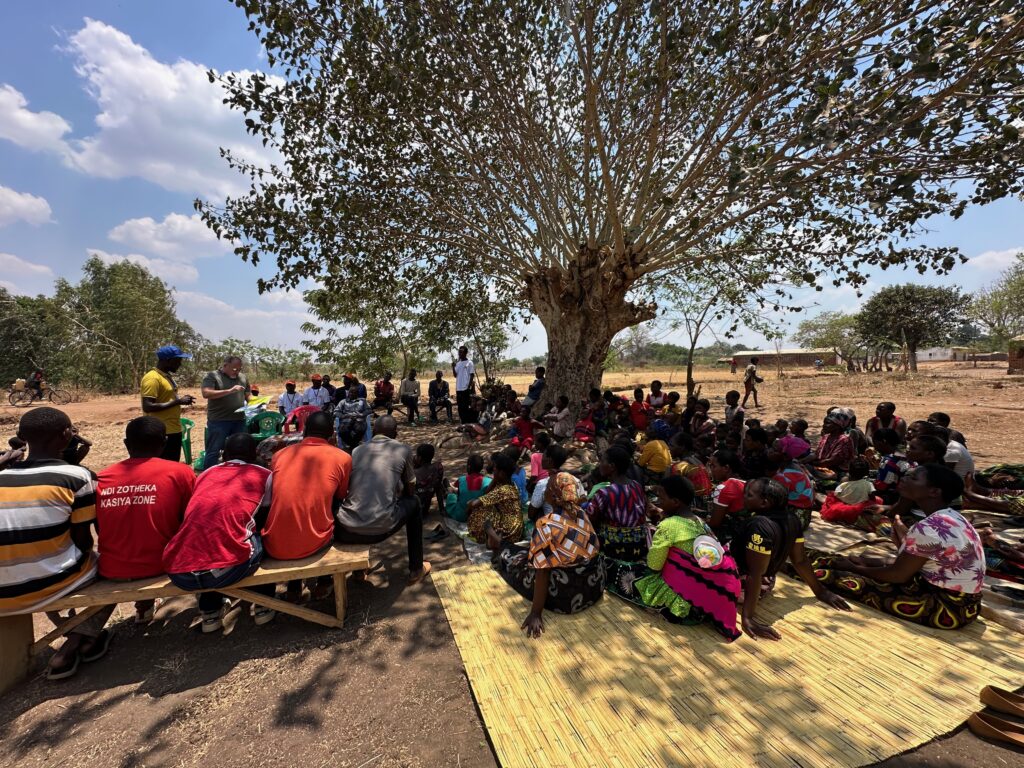
I would like to see more confidential community testing linked to care, outreach designed around working hours, and services that meet people in places they already trust. Where self-testing is offered, people need clear information about confirming a positive result and obtaining support.
Men should be part of designing services intended to reach them. Young people should help shape the language and delivery of prevention programmes. People living with HIV should help identify the barriers that make testing or remaining in care difficult.
Our community support groups can contribute to this work. They bring together people who understand the realities of treatment, disclosure and stigma. With appropriate training and resources, they can help connect communities to services and provide support after a diagnosis.
Community participation should come with a meaningful role, resources and accountability. Asking people to attend a launch or share a testimony is only a small part of what they can offer.
Measure the people reached
The next phase of Uganda’s HIV response should protect treatment continuity while giving greater attention to early diagnosis and prevention access.
For district leaders, health facilities and organisations like mine, that means measuring more than activities completed. We need to know whether people reached care after testing, whether prevention services were available when needed, and whether those facing the greatest barriers could use them.
We must also listen when people explain why a service does not work for them. A clinic can exist and still be inaccessible. A programme can meet its attendance target and still miss the people most in need.
Uganda has shown what is possible when people living with HIV receive effective treatment. I am one of the people whose life reflects that progress.
Now we must extend that opportunity to those who remain undiagnosed and make prevention a practical reality for those who need it.
Our success will be felt in the person who tests earlier, the young adult who can access protection, the partner who receives accurate information, and the family that responds to a diagnosis with support.
That is the work ahead: protecting the lives already reached, while opening the door wider for everyone still outside.

Leave a Reply